SS Yongala
Queensland, Australia · 16–28m · advanced · exposed
A 1911 shipwreck alone on open sand that has become one of the fishiest dives on earth — bull rays, sea snakes, giant groupers.
Conditions today
Retrieved · refreshed hourly
poor
Poor — 1.4m effective waves made worse by short-period chop.
Limiting factor: period
- Wave height
- 1.3–1.5m
- Wave period
- 4.8–5s
- Wind chop
- 1.3–1.5m
- Sea temp
- 22.6–22.7°C
Ranges span today's hours. Wave height here is the raw sea state — the rating scales it for how exposed the site is. Exposed — open water with nothing to block the swell, so it is scored at full height.
Next few days
- TodayPoor — 1.4m effective waves made worse by short-period chop.poor
- MondayPoor — 1.3m effective waves made worse by short-period chop.poor
- TuesdayPoor — 1.4m effective waves made worse by short-period chop.poor
Each day is scored over its morning dive window, the same as today's rating.
Dive briefing
AI-generated
Conditions are poor today due to short-period chop, with 1.4m effective waves making this an uncomfortable dive. Raw sea state is 1.3–1.5m swell and wind waves on 4.8–5 second periods. The wreck lies at 16–28 metres on open sand; this is advanced diving in exposed water, and you'll need good buoyancy and boat discipline in these conditions. Water temperature is 22.6–22.7°C.
This site draws divers for its prolific marine life. You commonly log Napoleon Wrasse, Yellow Spotted Trevally, Sixband Angelfish, and Longfin Batfish around the structure. Leopard Coralgrouper, Crimson Snapper, and Giant Trevally are often recorded here, along with Blotched Fantail Rays. Those sightings come from diver observations, so encounters are never guaranteed, but the wreck's reputation as one of the fishiest dives around holds well-founded.
Written by Claude (claude-haiku-4-5-20251001) from the rating, forecast, and sightings on this page — it has no other source and cannot look anything up. Treat it as a summary, not as local knowledge.
Commonly seen here
Most-recorded species near this site, ranked by research-grade iNaturalist sightings from divers, snorkelers, and naturalists.
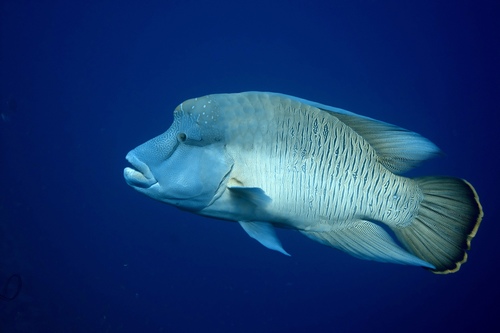 Cheilinus undulatus104 sightings
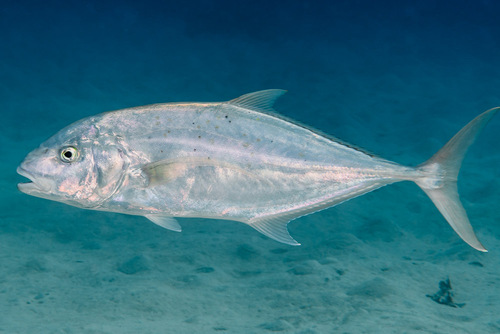 Turrum fulvoguttatum71 sightings
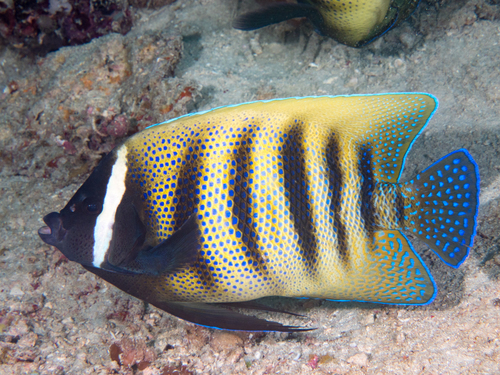 Pomacanthus sexstriatus67 sightings
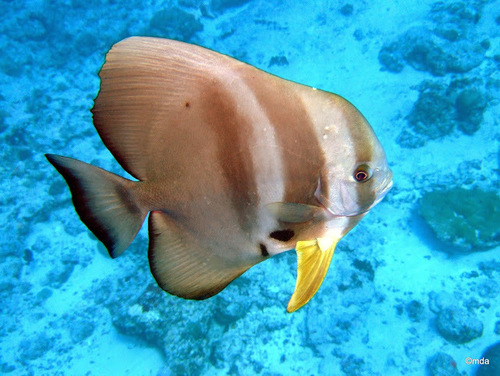 Platax teira62 sightings
- no photoPlectropomus leopardus58 sightings
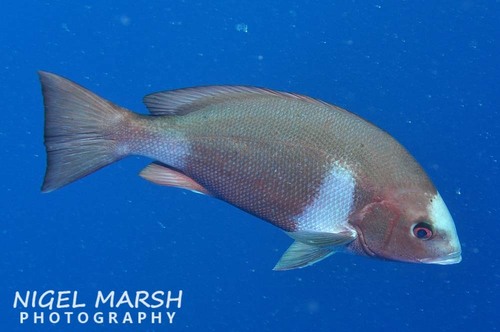 Lutjanus erythropterus57 sightings
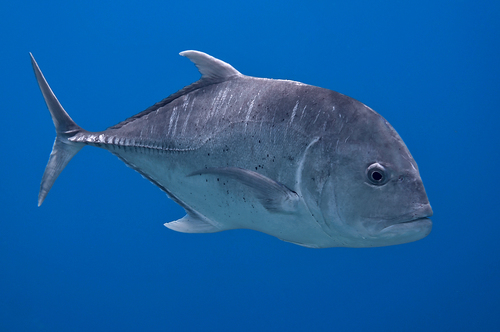 Caranx ignobilis50 sightings
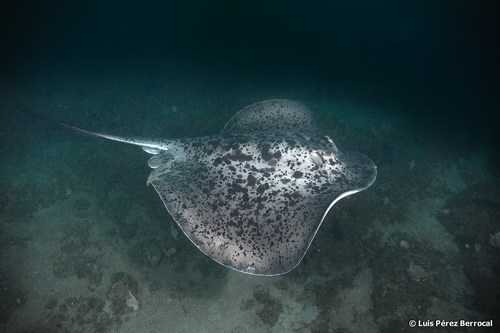 Taeniurops meyeni44 sightings
Species come from iNaturalist — research-grade sightings logged by divers, snorkelers, and naturalists nearby. The ranking reflects what people photograph most, not guaranteed abundance. Ask a local operator what's actually being seen. Species names link to iNaturalist for range maps, seasonality and more photos. Photos by iNaturalist contributors under Creative Commons licences — individual credit on hover.