Princess Alice Bank
Azores, Portugal · 35–45m · advanced · exposed
Mid-Atlantic seamount rising from deep water, several hours offshore. Known for schooling mobula rays in summer.
Conditions today
Retrieved · refreshed hourly
poor
Poor — 2.5m effective waves made worse by local wind chop.
Limiting factor: wind
- Wave height
- 1.8–2.8m
- Wave period
- 8.8–9.6s
- Wind chop
- 0.1–1.3m
- Sea temp
- 22.9–23.1°C
Ranges span today's hours. Wave height here is the raw sea state — the rating scales it for how exposed the site is. Exposed — open water with nothing to block the swell, so it is scored at full height.
Next few days
- TodayPoor — 2.5m effective waves made worse by local wind chop.poor
- SundayPoor — 1.6m effective waves in the morning window.poor
- MondayPoor — 2.8m effective waves made worse by local wind chop.poor
Each day is scored over its morning dive window, the same as today's rating.
Dive briefing
AI-generated
Conditions are poor today due to wind chop layered onto the underlying swell. This is an exposed mid-Atlantic seamount requiring advanced certification, with depths running 35 to 45 metres. The raw wave height is forecast between 1.8 and 2.8 metres with wind waves adding a further 0.1 to 1.3 metres on top. Sea temperature sits at 22.9 to 23.1°C. Given the exposed location and current wind patterns, today will test your boat handling and entry technique.
Divers commonly log sicklefin devil rays here, often in summer schooling behaviour. You may encounter common remora, yellowmouth barracuda, grey triggerfish, bluefish, and pilotfish. Atlantic spotted dolphins are occasionally recorded. This is a specialist site several hours offshore where conditions can shift quickly and the open water demands respect and solid planning.
Written by Claude (claude-haiku-4-5-20251001) from the rating, forecast, and sightings on this page — it has no other source and cannot look anything up. Treat it as a summary, not as local knowledge.
Commonly seen here
Most-recorded species near this site, ranked by research-grade iNaturalist sightings from divers, snorkelers, and naturalists.
- no photoMobula tarapacana3 sightings
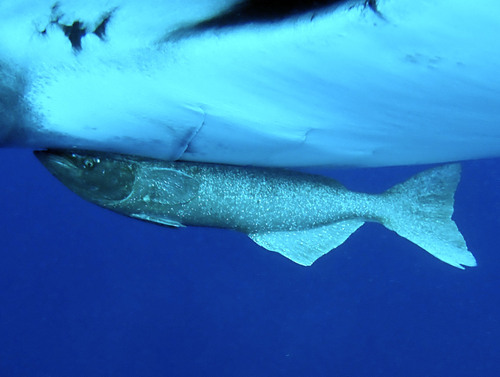 Remora remora2 sightings
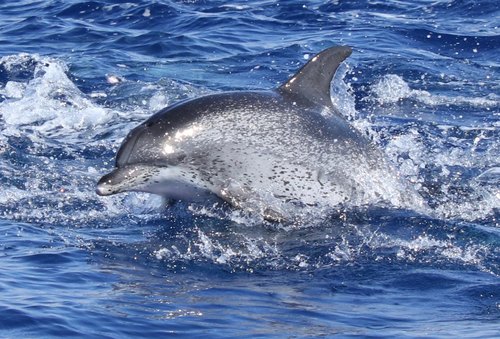 Atlantic Spotted Dolphin(opens on iNaturalist)Marine mammalStenella frontalis1 sighting
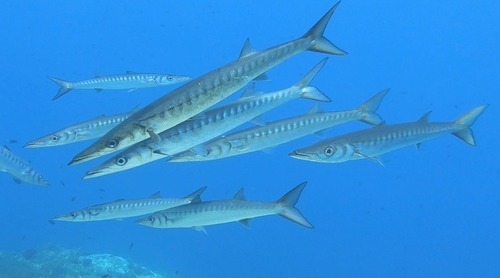 Sphyraena viridensis1 sighting
- no photoBalistes capriscus1 sighting
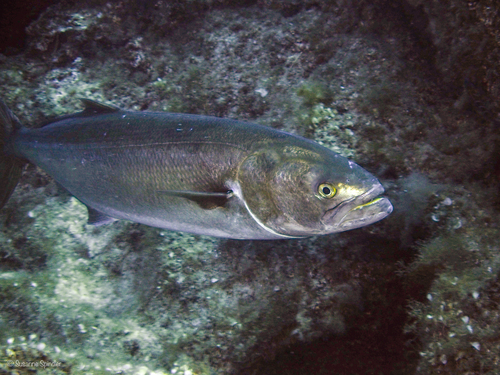 Pomatomus saltatrix1 sighting
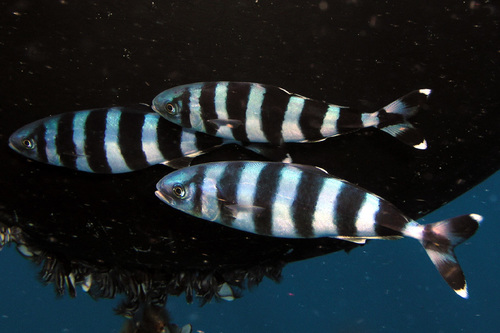 Naucrates ductor1 sighting
Species come from iNaturalist — research-grade sightings logged by divers, snorkelers, and naturalists nearby. The ranking reflects what people photograph most, not guaranteed abundance. Ask a local operator what's actually being seen. Species names link to iNaturalist for range maps, seasonality and more photos. Photos by iNaturalist contributors under Creative Commons licences — individual credit on hover.