Browning Pass
Queen Charlotte Strait, British Columbia, Canada · 12–40m · advanced · semi
Narrow channel off northern Vancouver Island, its walls carpeted in soft corals and anemones. Cold, current-driven, and dived on slack water.
Conditions today
Retrieved · refreshed hourly
good
Good — 0.4m effective waves in the morning window.
Limiting factor: waves
- Wave height
- 0.3–0.9m
- Wave period
- 6.1–7.4s
- Wind chop
- 0–0.1m
- Sea temp
- 14–14.7°C
Ranges span today's hours. Wave height here is the raw sea state — the rating scales it for how exposed the site is. Semi-exposed — partial protection, so swell is scored at three-quarters of its open-water height.
Next few days
- TodayGood — 0.4m effective waves in the morning window.good
- SundayExcellent — calm morning with 0.3m effective waves.excellent
- MondayGood — 0.6m effective waves in the morning window.good
Each day is scored over its morning dive window, the same as today's rating.
Dive briefing
AI-generated
This is an advanced site in a narrow channel with walls draped in soft corals and anemones. Conditions are good today, limited by waves. The water is cold at 14–14.7°C, so proper thermal protection is essential. You'll be diving on slack water, which is when the site is navigable. Divers commonly log Red Irish Lords, Scalyhead Sculpins, Copper and China Rockfish, and Kelp Greenlings in the channel. Sharpnose and Bering Hermit Crabs are often recorded. Humpback whales have been sighted here.
Raw sea state forecasts 0.3–0.9m waves with periods of 6.1–7.4 seconds, with minimal wind wave component. Plan your dive accordingly and ensure you're comfortable with the site's advanced requirements and cold-water demands before entering the water.
Written by Claude (claude-haiku-4-5-20251001) from the rating, forecast, and sightings on this page — it has no other source and cannot look anything up. Treat it as a summary, not as local knowledge.
Commonly seen here
Most-recorded species near this site, ranked by research-grade iNaturalist sightings from divers, snorkelers, and naturalists.
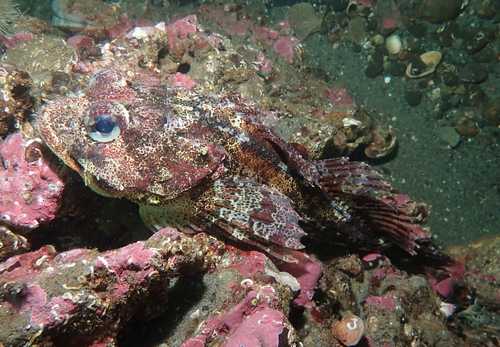 Hemilepidotus hemilepidotus87 sightings
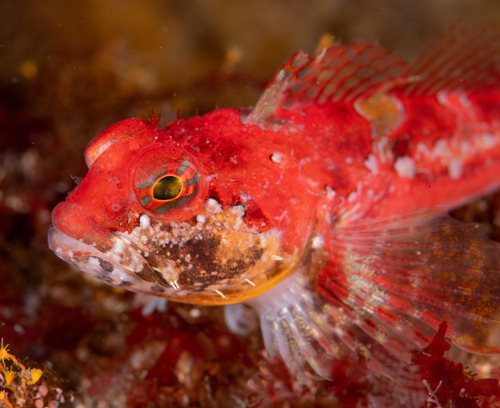 Artedius harringtoni80 sightings
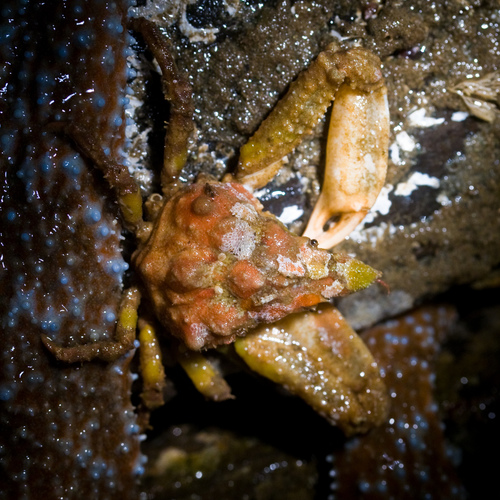 Sharpnose Crab(opens on iNaturalist)CrustaceanScyra acutifrons63 sightings
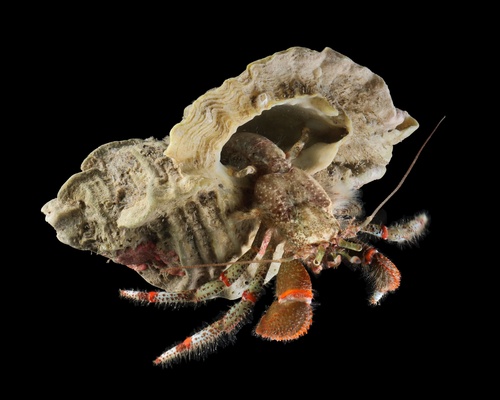 Bering Hermit Crab(opens on iNaturalist)CrustaceanPagurus beringanus56 sightings
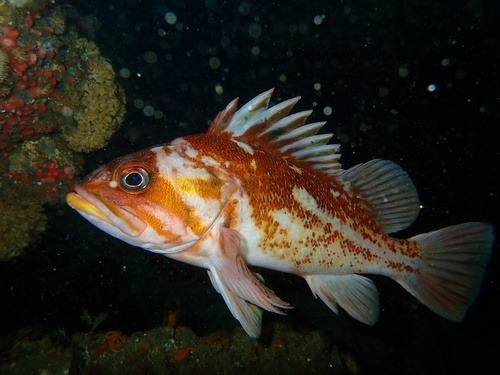 Sebastes caurinus52 sightings
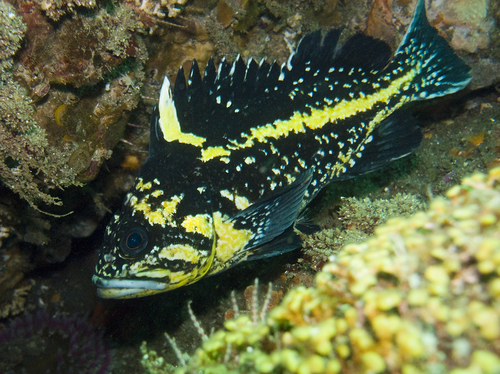 Sebastes nebulosus44 sightings
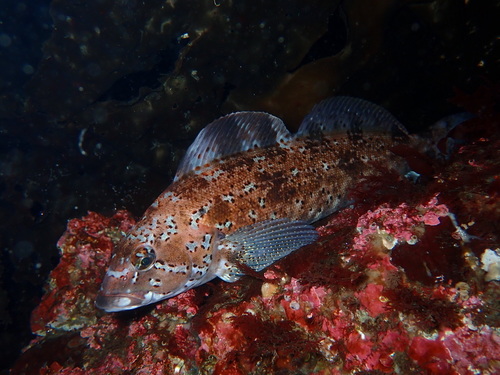 Hexagrammos decagrammus41 sightings
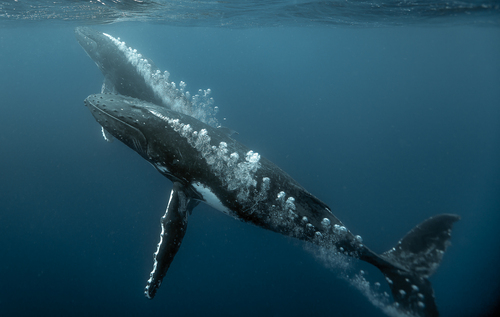 Humpback Whale(opens on iNaturalist)Marine mammalMegaptera novaeangliae37 sightings
Species come from iNaturalist — research-grade sightings logged by divers, snorkelers, and naturalists nearby. The ranking reflects what people photograph most, not guaranteed abundance. Ask a local operator what's actually being seen. Species names link to iNaturalist for range maps, seasonality and more photos. Photos by iNaturalist contributors under Creative Commons licences — individual credit on hover.