Kona Manta Night Dive
Big Island, Hawaii, United States · 8–14m · beginner · sheltered
Kneel around dive lights after dark while reef mantas barrel-roll overhead feeding on plankton.
Conditions today
Retrieved · refreshed hourly
marginal
Marginal — 0.8m effective waves in the morning window.
Limiting factor: waves
- Wave height
- 1.6–2.3m
- Wave period
- 9.8–10.6s
- Wind chop
- 0m
- Sea temp
- 27.7–28.4°C
Ranges span today's hours. Wave height here is the raw sea state — the rating scales it for how exposed the site is. Sheltered — reef or lagoon protection, so swell is scored at half its open-water height.
Next few days
- TodayMarginal — 0.8m effective waves in the morning window.marginal
- SundayMarginal — 1.0m effective waves in the morning window.marginal
- MondayGood — 0.8m effective waves in the morning window.good
Each day is scored over its morning dive window, the same as today's rating.
Dive briefing
AI-generated
Conditions are marginal today due to wave state, though the site's sheltered exposure means the effect is limited. You'll spend the dive kneeling around lights whilst reef mantas feed overhead in darkness — the conditions rating reflects surface conditions in the morning window rather than what you'll encounter below. Depths run 8 to 14 metres, well within beginner limits. Water temperature sits between 27.7 and 28.4°C.
Divers commonly log green sea turtles here, along with yellow tangs, moorish idols, Hawaiian convict surgeonfish, and spotted boxfish among the reef residents. The site's particular draw is the manta behaviour: you're positioned to watch them barrel-roll through the water column as they hunt plankton. Plan your dive with the day's conditions in mind and brief accordingly with your guide.
Written by Claude (claude-haiku-4-5-20251001) from the rating, forecast, and sightings on this page — it has no other source and cannot look anything up. Treat it as a summary, not as local knowledge.
Commonly seen here
Most-recorded species near this site, ranked by research-grade iNaturalist sightings from divers, snorkelers, and naturalists.
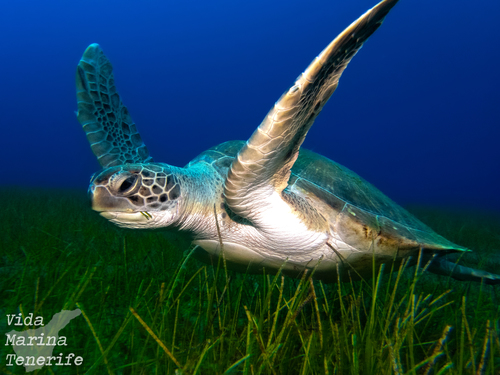 Chelonia mydas2241 sightings
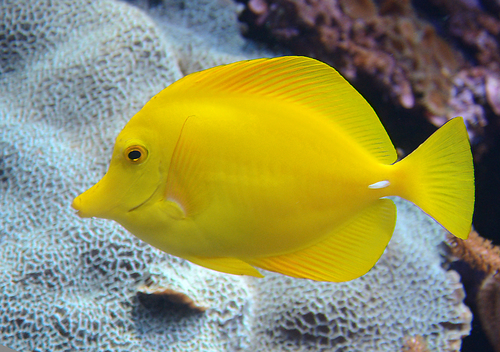 Zebrasoma flavescens1298 sightings
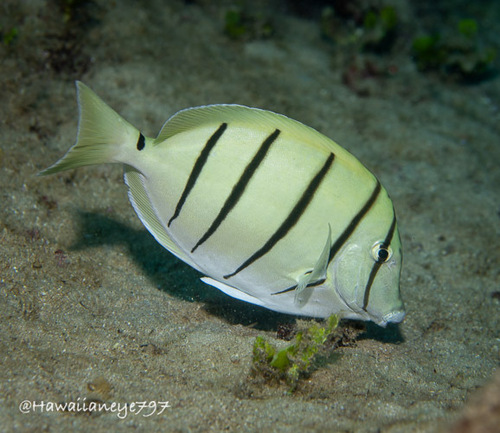 Acanthurus sandvicensis843 sightings
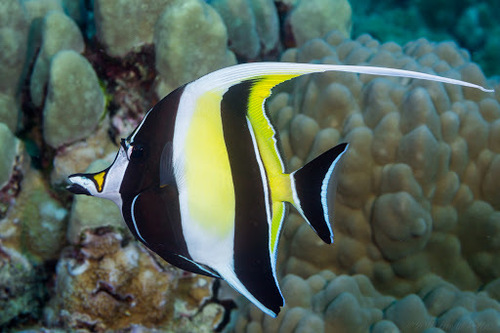 Zanclus cornutus810 sightings
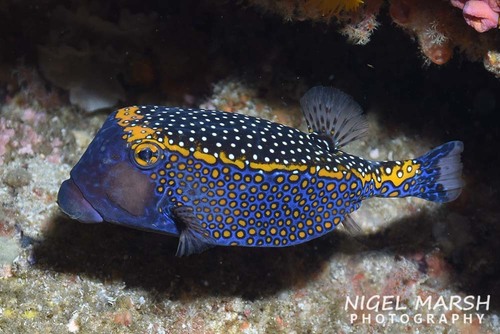 Ostracion meleagris666 sightings
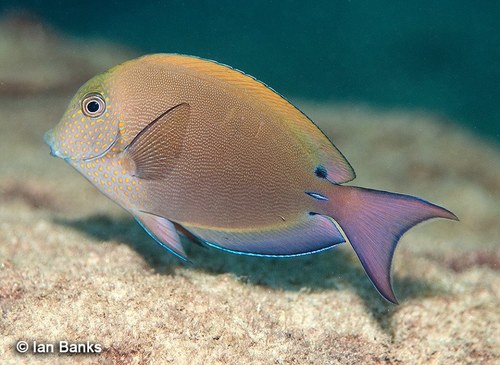 Acanthurus nigrofuscus614 sightings
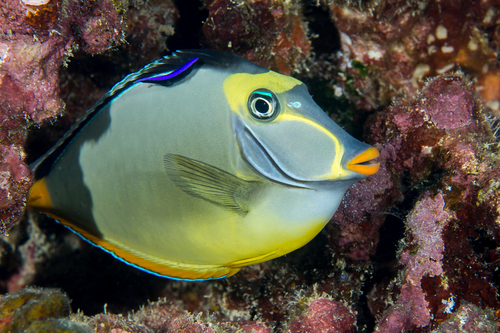 Naso lituratus611 sightings
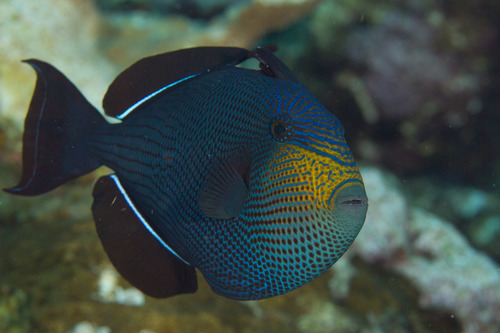 Melichthys niger601 sightings
Species come from iNaturalist — research-grade sightings logged by divers, snorkelers, and naturalists nearby. The ranking reflects what people photograph most, not guaranteed abundance. Ask a local operator what's actually being seen. Species names link to iNaturalist for range maps, seasonality and more photos. Photos by iNaturalist contributors under Creative Commons licences — individual credit on hover.