USAT Liberty
Tulamben, Bali, Indonesia · 5–28m · beginner · sheltered
WWII wreck a short swim from a black-sand beach — arguably the world's easiest great wreck dive.
Conditions today
Retrieved · refreshed hourly
excellent
Excellent — calm morning with 0.4m effective waves.
Limiting factor: none
- Wave height
- 0.7–0.9m
- Wave period
- 6.1–6.6s
- Wind chop
- 0–0.1m
- Sea temp
- 28.1–29°C
Ranges span today's hours. Wave height here is the raw sea state — the rating scales it for how exposed the site is. Sheltered — reef or lagoon protection, so swell is scored at half its open-water height.
Next few days
- TodayExcellent — calm morning with 0.4m effective waves.excellent
- SundayGood — 0.5m effective waves in the morning window.good
- MondayGood — 0.5m effective waves in the morning window.good
Each day is scored over its morning dive window, the same as today's rating.
Dive briefing
AI-generated
Conditions are excellent today with a calm morning and 0.4m effective wave height. Sea temperature sits between 28.1 and 29°C. The wreck is a short swim from the black-sand beach, with the structure ranging from 5 to 28 metres depth — accessible to beginners and straightforward to navigate in these settled conditions.
Divers commonly log leaf scorpionfish, ornate ghostpipefish, emperor angelfish, and ribbon eels around the wreck. Pacific trumpetfish, blackspotted puffer, Moorish idol, and oriental sweetlips are also often recorded here. The sheltered location and easy access make this an ideal day for exploring the wreck and watching for the reef life that has colonised it.
Written by Claude (claude-haiku-4-5-20251001) from the rating, forecast, and sightings on this page — it has no other source and cannot look anything up. Treat it as a summary, not as local knowledge.
Commonly seen here
Most-recorded species near this site, ranked by research-grade iNaturalist sightings from divers, snorkelers, and naturalists.
- no photoTaenianotus triacanthus352 sightings
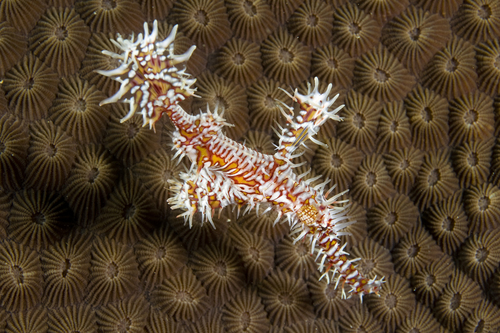 Solenostomus paradoxus285 sightings
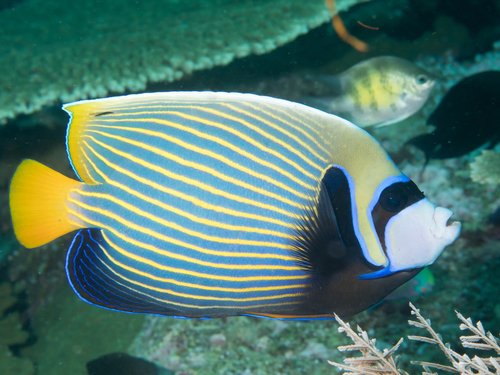 Pomacanthus imperator262 sightings
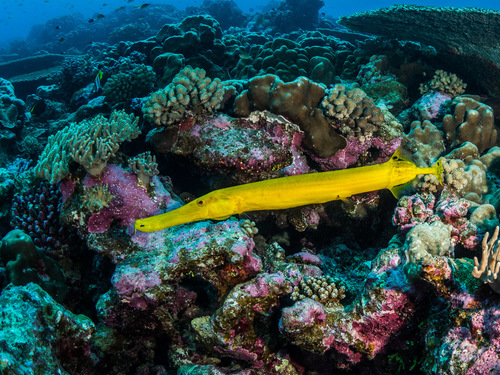 Aulostomus chinensis233 sightings
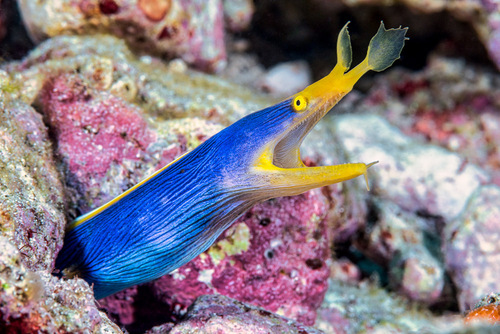 Rhinomuraena quaesita223 sightings
- no photoArothron nigropunctatus218 sightings
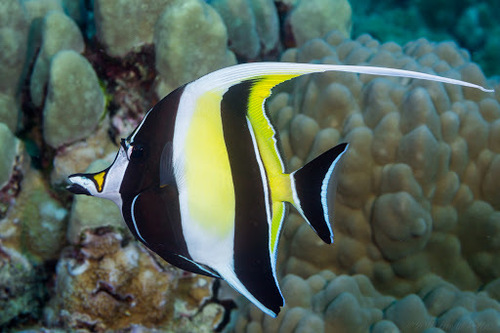 Zanclus cornutus207 sightings
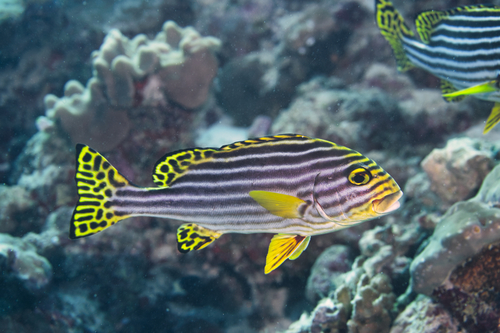 Plectorhinchus vittatus203 sightings
Species come from iNaturalist — research-grade sightings logged by divers, snorkelers, and naturalists nearby. The ranking reflects what people photograph most, not guaranteed abundance. Ask a local operator what's actually being seen. Species names link to iNaturalist for range maps, seasonality and more photos. Photos by iNaturalist contributors under Creative Commons licences — individual credit on hover.