Lankan Manta Point
North Malé Atoll, Maldives · 8–15m · intermediate · semi
Cleaning station on the atoll edge where mantas queue over coral bommies during the south-west monsoon.
Conditions today
Retrieved · refreshed hourly
good
Good — 0.7m effective waves in the morning window.
Limiting factor: waves
- Wave height
- 0.8–1m
- Wave period
- 5.7–7.4s
- Wind chop
- 0.3–0.7m
- Sea temp
- 29.1–29.2°C
Ranges span today's hours. Wave height here is the raw sea state — the rating scales it for how exposed the site is. Semi-exposed — partial protection, so swell is scored at three-quarters of its open-water height.
Next few days
- TodayGood — 0.7m effective waves in the morning window.good
- SundayGood — 0.5m effective waves in the morning window.good
- MondayGood — 0.5m effective waves in the morning window.good
Each day is scored over its morning dive window, the same as today's rating.
Dive briefing
AI-generated
Conditions are good today, with 0.7m effective waves in the morning window. Expect raw wave heights of 0.8–1.0m and sea temperature of 29.1–29.2°C. The site works as a cleaning station on the atoll edge, with depths from 8 to 15 metres across coral bommies. Intermediate certification is required.
Divers commonly log blacktip reef sharks, powder blue tangs, oriental sweetlips, blackfin anemonefish, hawksbill sea turtles, moorish idols, giant morays, and titan triggerfish here. Species sightings vary, but all are well represented in local records. Plan your dive within the limits of your experience and the day's conditions.
Written by Claude (claude-haiku-4-5-20251001) from the rating, forecast, and sightings on this page — it has no other source and cannot look anything up. Treat it as a summary, not as local knowledge.
Commonly seen here
Most-recorded species near this site, ranked by research-grade iNaturalist sightings from divers, snorkelers, and naturalists.
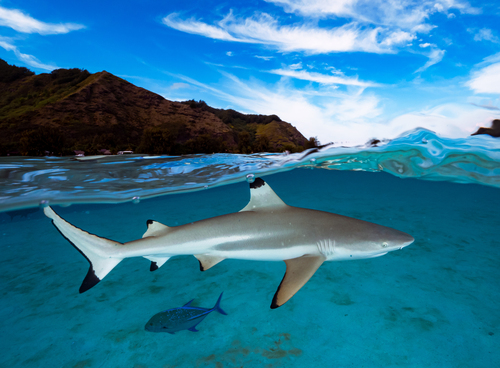 Carcharhinus melanopterus194 sightings
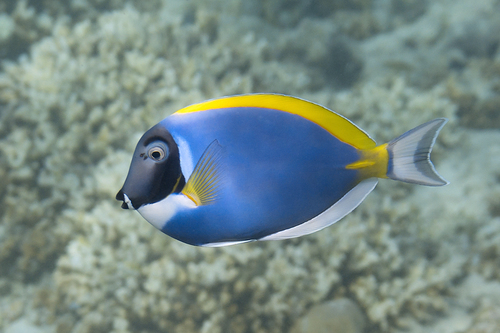 Acanthurus leucosternon164 sightings
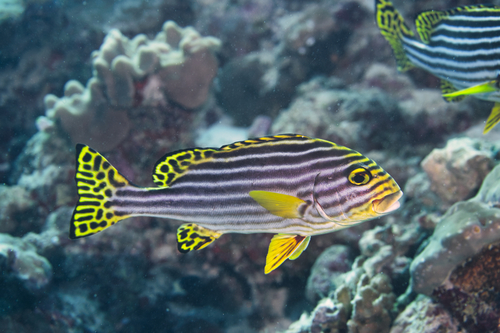 Plectorhinchus vittatus148 sightings
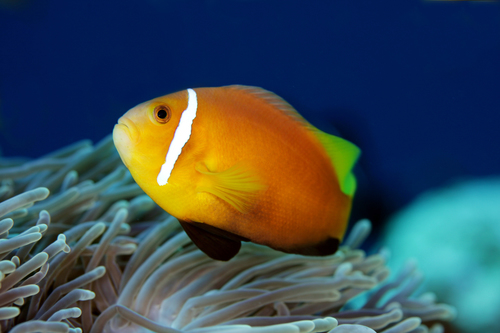 Amphiprion nigripes126 sightings
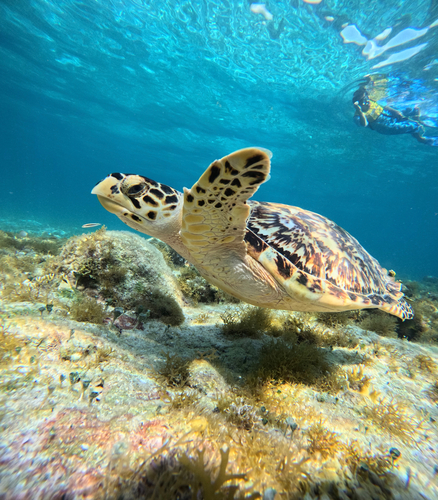 Eretmochelys imbricata125 sightings
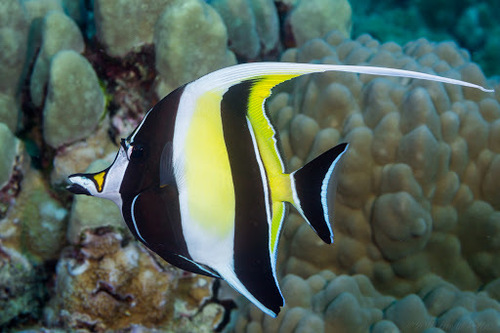 Zanclus cornutus111 sightings
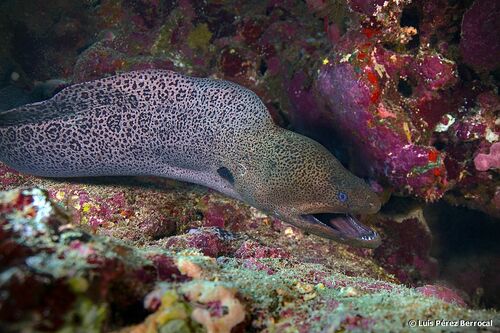 Gymnothorax javanicus108 sightings
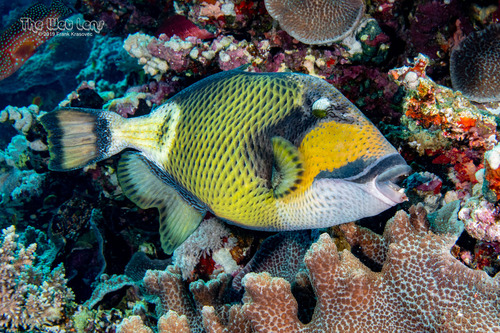 Balistoides viridescens106 sightings
Species come from iNaturalist — research-grade sightings logged by divers, snorkelers, and naturalists nearby. The ranking reflects what people photograph most, not guaranteed abundance. Ask a local operator what's actually being seen. Species names link to iNaturalist for range maps, seasonality and more photos. Photos by iNaturalist contributors under Creative Commons licences — individual credit on hover.