Blue Hole (Gozo)
Dwejra, Gozo, Malta · 5–30m · intermediate · exposed
Natural rock pool on Gozo's north-west coast, dropping through a short chimney to an open-sea arch. Closed out by any northerly swell.
Conditions today
Retrieved · refreshed hourly
poor
Poor — 0.8m effective waves made worse by short-period chop.
Limiting factor: period
- Wave height
- 0.6–0.8m
- Wave period
- 3.8–4.7s
- Wind chop
- 0–0.6m
- Sea temp
- 27–27.2°C
Ranges span today's hours. Wave height here is the raw sea state — the rating scales it for how exposed the site is. Exposed — open water with nothing to block the swell, so it is scored at full height.
Next few days
- TodayPoor — 0.8m effective waves made worse by short-period chop.poor
- SundayMarginal — 0.7m effective waves made worse by short-period chop.marginal
- MondayMarginal — 0.5m effective waves made worse by short-period chop.marginal
Each day is scored over its morning dive window, the same as today's rating.
Dive briefing
AI-generated
Conditions are poor today. The short-period chop is making for a choppy, uncomfortable dive. Wave heights are running 0.6 to 0.8 metres raw, with periods between 3.8 and 4.7 seconds — the short intervals are what's driving the poor rating. This is an exposed site and it doesn't take much swell to close it out; you'll want to assess conditions carefully before committing.
Water temperature sits at 27 to 27.2°C. If you do get in, divers commonly log ornate wrasse, Mediterranean damselfish, European parrotfish and painted comber around the site. You're an intermediate diver working the arch and drop-through, so you'll have plenty to occupy you. Just be prepared for the conditions to feel lively.
Written by Claude (claude-haiku-4-5-20251001) from the rating, forecast, and sightings on this page — it has no other source and cannot look anything up. Treat it as a summary, not as local knowledge.
Commonly seen here
Most-recorded species near this site, ranked by research-grade iNaturalist sightings from divers, snorkelers, and naturalists.
- no photoThalassoma pavo111 sightings
- no photoChromis chromis110 sightings
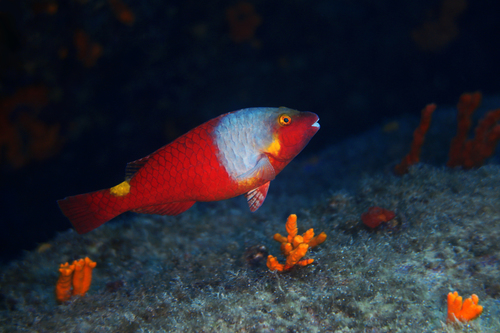 Sparisoma cretense102 sightings
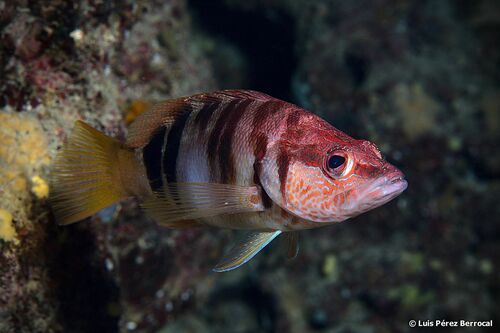 Serranus scriba96 sightings
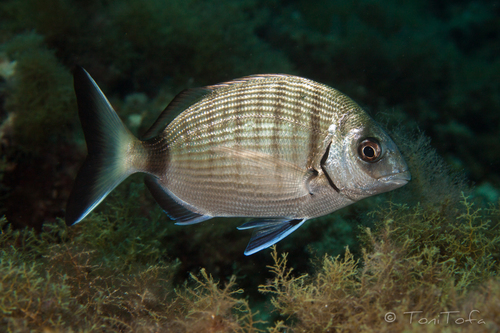 Diplodus sargus74 sightings
 Salaria pavo72 sightings
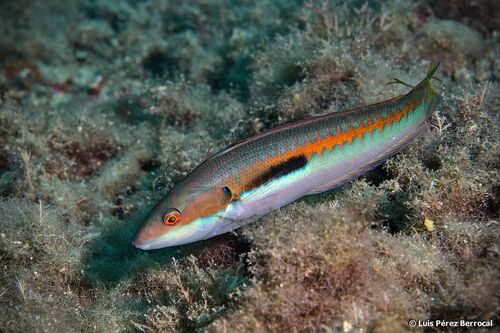 Coris julis65 sightings
 Diplodus vulgaris64 sightings
Species come from iNaturalist — research-grade sightings logged by divers, snorkelers, and naturalists nearby. The ranking reflects what people photograph most, not guaranteed abundance. Ask a local operator what's actually being seen. Species names link to iNaturalist for range maps, seasonality and more photos. Photos by iNaturalist contributors under Creative Commons licences — individual credit on hover.