Manta Reef
Tofo, Inhambane, Mozambique · 18–28m · intermediate · exposed
Offshore reef south of Tofo with established manta cleaning stations. Reached by surf launch, so weather decides the day.
Conditions today
Retrieved · refreshed hourly
marginal
Marginal — 0.9m effective waves in the morning window.
Limiting factor: waves
- Wave height
- 0.9–1m
- Wave period
- 7.2–10s
- Wind chop
- 0–0.2m
- Sea temp
- 25.1–25.5°C
Ranges span today's hours. Wave height here is the raw sea state — the rating scales it for how exposed the site is. Exposed — open water with nothing to block the swell, so it is scored at full height.
Next few days
- TodayMarginal — 0.9m effective waves in the morning window.marginal
- SundayPoor — 1.1m effective waves made worse by local wind chop.poor
- MondayMarginal — 0.8m effective waves in the morning window.marginal
Each day is scored over its morning dive window, the same as today's rating.
Dive briefing
AI-generated
This offshore reef sits between 18 and 28 metres and calls for intermediate certification. Today's conditions are marginal due to waves, with 0.9m effective wave height in the morning window. The site is exposed and reached by surf launch, so weather will dictate whether the day runs. Water temperature is 25.1–25.5°C. You'll need to be prepared for dynamic conditions and a potentially lively boat ride out.
Divers commonly log giraffe seahorses and laced morays on the reef. Whale sharks and zebra sharks are often recorded, along with Indian lionfish, pacific trumpetfish, and potato rockcod. The established manta cleaning stations are the draw here, though sightings are never guaranteed. Factor in sea state for your entry and exit plan.
Written by Claude (claude-haiku-4-5-20251001) from the rating, forecast, and sightings on this page — it has no other source and cannot look anything up. Treat it as a summary, not as local knowledge.
Commonly seen here
Most-recorded species near this site, ranked by research-grade iNaturalist sightings from divers, snorkelers, and naturalists.
- no photoHippocampus camelopardalis63 sightings
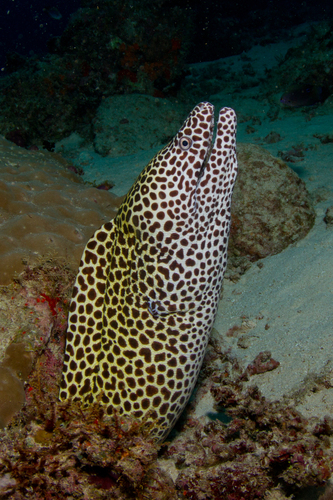 Gymnothorax favagineus25 sightings
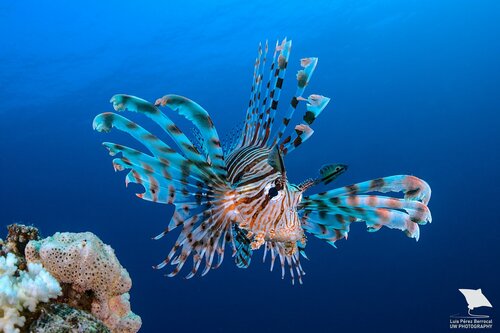 Pterois miles25 sightings
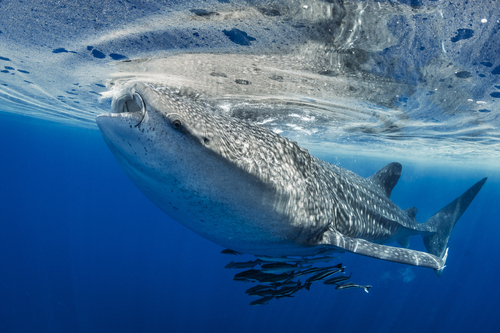 Rhincodon typus23 sightings
- no photoHippocampus kuda19 sightings
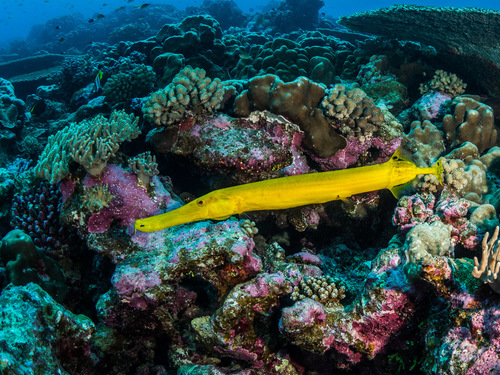 Aulostomus chinensis18 sightings
- no photoEpinephelus tukula17 sightings
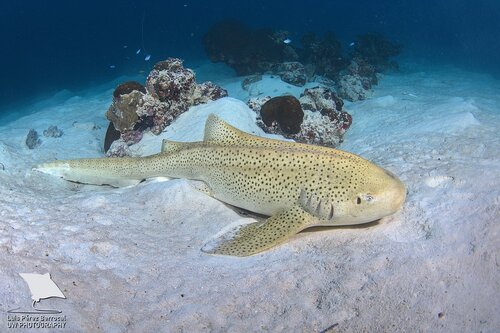 Stegostoma tigrinum17 sightings
Species come from iNaturalist — research-grade sightings logged by divers, snorkelers, and naturalists nearby. The ranking reflects what people photograph most, not guaranteed abundance. Ask a local operator what's actually being seen. Species names link to iNaturalist for range maps, seasonality and more photos. Photos by iNaturalist contributors under Creative Commons licences — individual credit on hover.